
Article & Content Library
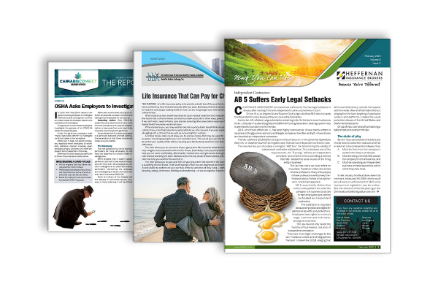
Our expansive content library separates us from our competition. With more than 5,000 articles to choose from, you will easily find the content you need for your agency.
We write 25 to 30 new articles a month covering 27 sub-categories, so there is always fresh content available. We stay on top of trends, regulations, laws, legal precedents and more to ensure that the you choose from content is timely and salient to your clients.
We write articles your clients will want to read, which in turn will help establish you as an authority. Since your clients are not insurance professionals, we don’t get bogged down in jargon and instead write “news that our clients can use.” Our articles are written by insurance journalists and industry professionals with a combined 50 years of experience covering all facets of the industry.
We also take requests. If you don’t see an article in our inventory that you would like to see covered, you can submit article suggestions via an online form that is available in our user portal. As an InsuranceNewsletters member you can edit any of our articles, allowing you to personalize the content specifically for your agency.
Let us show you how our professionally written articles can get you seen as a trusted source of invaluable information and give your agency a competitive edge.
View Sample Articles
Business Interruption Claims Costs Surge
Business interruption insurance claims are becoming significantly more expensive due to longer recovery periods, supply-chain constraints and inflation.
A new report found that the average BI claim exceeded $950,000 in 2025, up 30% from 2023. The findings underscore the need for businesses to have contingency plans in place in case operations stop or are severely disrupted after an event.
Growing Cannabis Use Raises Workplace Injury, Liability Risks
As states relax their laws and cannabis use becomes more mainstream, employers are increasingly exposed to costly workers' compensation claims and lawsuits if employees report to work impaired or indulge during a break.
Cannabis can affect reaction time, coordination, concentration and judgment, increasing the potential for accidents, particularly among workers who drive, operate machinery or perform hazardous tasks. These effects can put employees, coworkers and third parties at risk of injury.
Emergency Escape Plans Save Employee Lives; Does Your Firm Have One?
What would your employees do in an emergency? Are they prepared for the unexpected? Do they know whom to call for help? Are they qualified to help? If you answered yes to these questions, then great, but if you answered no, you may need to start work on a written emergency plan.
Having one in place can save lives in case of a fire or other emergency by providing a road map of what employees and management should do.
Documentation Key to Defending Against a General Liability Claim
Lawsuits against businesses are filed on a near-daily basis, and for many firms, it's only a matter of time before they are sued, particularly public-facing operations like retailers, restaurants and gyms.
Whether frivolous or legitimate, these lawsuits can eat away at your firm's funds as you mount a defense. The key to any general liability defense is solid documentation, which requires that supervisors, managers and executives understand the importance of preserving evidence and keeping a paper trail.
Who Qualifies for $90 Medicare Check?
More than 20 million Americans enrolled in traditional Medicare are receiving one-time $90 payments from the federal government this month to help offset rising standard Medicare Part B premiums, which will rise to $209.50 per month in 2027 from $202.90 in 2026.
Do you qualify for this payment?
Part D Plan Enrollees May See Higher Costs, Fewer Plans for 2027
Medicare beneficiaries may face higher prescription drug costs and fewer coverage choices in 2027, making it especially important to review their Part D plans during this year's open enrollment period.
While average monthly premiums for stand-alone Part D plans are expected to rise slightly, higher deductibles, increased out-of-pocket limits and changes in drug coverage could leave some seniors paying considerably more. As open enrollment is in full swing, take time now to review your current plan for changes that could affect your costs or coverage.
How to Prevent Ice Dams from Damaging Your Home
Homes in areas with heavy snowfall face the risk of ice dams, which can cause thousands of dollars in damage.
An ice dam is a ridge of ice that develops along the edge of a roof, preventing melting snow from draining properly. The trapped water may seep beneath shingles, damaging ceilings, walls, insulation and wooden framing. Prolonged moisture can also spur mold growth.
Fortunately, homeowners can take steps to prevent ice dams.
New State Law Expands Criminal Liability for Workplace Safety Violations
A new law that takes effect Jan. 1, 2027, could subject California employers who interfere with Cal/OSHA inspectors or cause serious workplace injuries to criminal charges.
AB 2321, signed by Gov. Gavin Newsom, expands criminal liability for willful safety violations that cause worker injuries. It also strengthens requirements for Cal/OSHA investigations and referrals to prosecutors.
Medicare Advantage Market Getting a Shake-Up
Millions of seniors enrolled in Medicare Advantage plans could face significant changes to their health coverage in 2027 as major insurers withdraw from certain markets, reduce provider networks and increase out-of-pocket costs.
While the number of MA plans nationwide is expected to remain relatively stable, the changes could leave many beneficiaries scrambling to find new coverage. Here's what's happening and what you should do.
'Longevity Insurance' Can Keep Funds Flowing if You Live Longer than Average
One of the biggest challenges in retirement planning is uncertainty about how long you will live.
Retirees who rely heavily on savings must balance enjoying their money today against the possibility of living well into their 80s, 90s or beyond. Lifetime income annuities can help address that risk by providing predictable income as long as the covered person lives.
Sometimes described as "longevity insurance," these annuities may be particularly attractive to people who expect to live longer than average. Here's how they work.
'Backdoor' Roth IRA Offers High Earners a Path to Tax-Free Retirement Income
High earners who make too much to contribute directly to a Roth individual retirement account may have another way to take advantage of its potential tax benefits.
The strategy, known as a "backdoor" Roth IRA, involves making a non-deductible contribution to a traditional IRA and then converting those funds to a Roth IRA.
Here's how the strategy works.
Starting Your Career? Build a Financial Foundation Now
Landing your first full-time job can bring a welcome change: a steady paycheck. But it may also come with rent, student loans, insurance, credit card payments and other expenses that can quickly consume that new income.
For recent college graduates and others starting their careers in their 20s, developing a few good financial habits now can make managing money easier and help build financial security for years to come. You'll need patience, self-control and the ability to live within your means to set aside money for rainy days and a distant future.
Taking the hassle out of insurance agency marketing.
Our Blog
- Thieves Zero In on High-Value Shipments: How to Protect Your CargoCargo theft rings are becoming increasingly sophisticated, using stolen business identities, hacked e-mail accounts and inside information about shipments to pinpoint high-value loads they can steal and quickly resell. These tactics are proving effective. While…
- AI Fuels Surge in Employees Suing Employers Without AttorneysGenerative artificial intelligence is making it easier for workers to sue their employers without hiring an attorney, forcing employers to mount costly defenses against cases that often get thrown out of court. AI platforms such…
- Are you Informing Your Personal Lines Clients about the Risk and costs of service line failure?While utility companies maintain underground service lines that connect homes to essential utilities, the homeowner is typically responsible for the portion that runs across their property up to the point where it connects to the provider’s system, usually beneath the street